

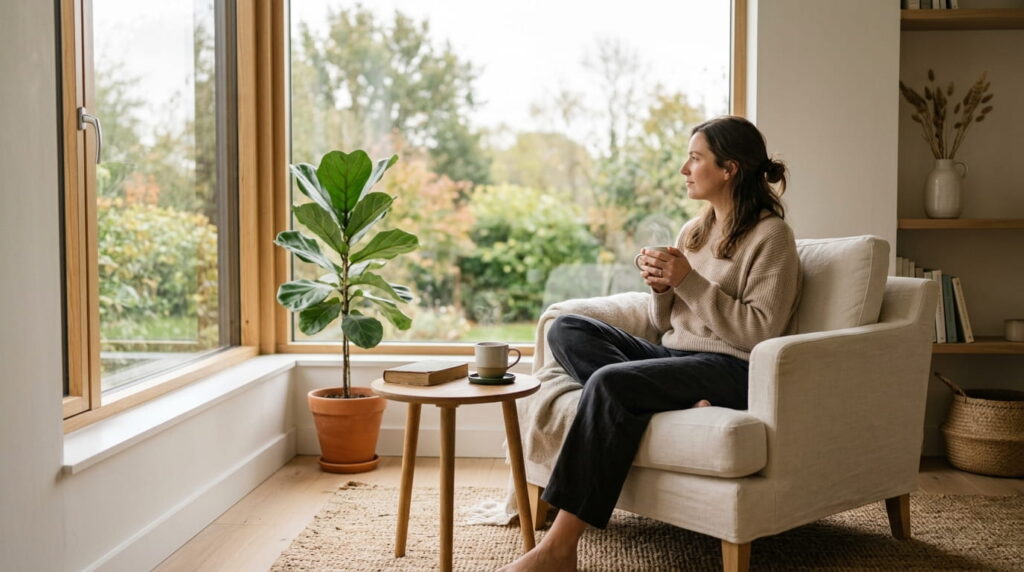
Do you often feel mentally tired, even when you are at home? Daily responsibilities, limited rest, and constant notifications can gradually add to everyday stress. While it may not always be possible to remove the sources of stress, small habits can create moments of calm and make daily life feel more manageable. The key is to focus on simple actions that are easy to repeat and realistic to maintain over time. That’s why I’ll share simple stress relief habits you can try at home.
Read More: Easy Ways to Avoid Sitting All Day
1. Start Your Day with a Calm Routine
How you begin your morning can affect your energy, focus, and ability to manage stress throughout the day. If you wake up late, check notifications right away, or move from one task to another without a pause, the day can quickly feel rushed. Starting with a simple morning routine can ease some of that early pressure and create a steadier start at home.
Your morning routine does not need to take a lot of time to be useful. Even a few minutes can give you an opportunity to slow down before the day becomes busy. Choose a few simple habits that help you feel more settled and ready for the day.
- Give yourself a few quiet minutes before responding to messages or outside demands.
- Drink a glass of water to help you feel more awake.
- Let fresh air or natural daylight into your space for a more comfortable start.
- Take a few slow breaths before beginning your first task.
- Do a short stretch to loosen tension in your neck, shoulders, or back.
- Think about one or two simple goals for the day.
2. Create Small Breaks During the Day
Stress often builds gradually during the day, especially when you move from one responsibility to another without a chance to pause. At home, responsibilities can blend together so easily that you may keep going from one task to the next without realizing you need a mental break.
Small breaks can help interrupt that pattern and give your mind a brief chance to reset. Short pauses during the day can also prevent stress from building to the point where everything feels harder to manage later on. Even a few minutes of rest can help reduce mental fatigue and make daily tasks feel more manageable.
The goal is simply to create small moments where your mind and body can slow down before stress becomes harder to manage.
Simple Ways to Take Small Breaks at Home
- Stand near a window for a minute and look away from your screen
- Switch rooms briefly to give your mind a change of setting
- Stretch your shoulders and neck after finishing a task
- Drink a glass of water without checking your phone at the same time
- Pause for a few slow breaths before starting the next chore
- Step outside for fresh air, even if only for two minutes
- Sit quietly for a moment instead of filling every break with noise
- Reset your focus by tidying one small area, then returning to work
3. Reduce Digital Overload at Home
Digital distractions can make it harder to fully relax at home. Notifications, background television, constant messages, and repeated phone checking can keep your attention moving from one thing to another, even when you are trying to take a break. Instead of trying to avoid technology completely, pay attention to which digital habits leave you feeling distracted or mentally tired.
Start by choosing one part of the day when you can reduce unnecessary digital interruptions. You could silence nonessential notifications while working, eating, or taking a short break. If you usually keep the television on in the background, try turning it off for part of the evening. Then notice whether the quieter setting feels more comfortable.
4. Keep Your Home Environment More Comfortable
Your home environment can affect how calm or tense you feel throughout the day. Clutter, poor lighting, stale air, and constant noise can make a space feel less comfortable and more stressful. Making a few simple changes can help your home feel easier to live in and better suited to daily stress relief.
You might open a window for fresh air, use softer lighting in the evening, or keep one part of your home clean and organized. These simple steps can make your surroundings more peaceful and help you stay more settled during the day.
5. Make Time for Quiet Activities You Enjoy
Sometimes quiet time at home can help your mind slow down and reset. Quiet activities can give you a break from constant input and help you shift your attention away from daily pressure.
Simple activities like reading, journaling, drawing, or listening to calm music can be easy ways to relax at home. What matters most is choosing something that feels restful rather than mentally draining or overwhelming. Making time for these quiet moments can help you relax without adding extra pressure to your day.
You may also like: Why Spending Time Outdoors is Good for You
6. Add Gentle Movement to Your Day
Sometimes stress shows up in your body before you fully notice it in your mind. When you sit for long periods, stay in one position, or move very little during the day, physical tension can slowly build up. This can leave you feeling stiff, restless, or more mentally drained than usual. Adding gentle movement at home can help release some of that tension and support a calmer state of mind.
Simple steps like stretching, walking around your home, or doing a few light movements between tasks can still help. The goal is to choose movement that feels manageable, comfortable, and easy to repeat as part of your daily routine.
7. Practice Slow Breathing During Stressful Moments
Stress can change the way you breathe, making each breath feel shorter, faster, and more shallow than usual. When this happens, even simple tasks at home can start to feel a little more overwhelming. Taking a moment to slow your breathing can help your body feel less tense and make daily stress feel easier to manage.
You can try this while sitting on the couch, standing in the kitchen, or taking a short break between tasks. Over time, this simple habit can become one of the easiest ways to manage stress at home.
Conclusion
Managing stress at home does not always require major changes. Even small daily habits can help create a calmer, more manageable routine over time. By starting with one or two simple stress relief habits at home, you can gradually build a daily routine that feels more balanced, steady, and easier to maintain.
Frequently Asked Questions
What are good stress relief habits for busy people at home?
Good options include taking a few slow breaths, drinking water, stretching, stepping away from screens, or sitting quietly for a short time. These habits are simple and can fit into a busy day more easily.
How long does it take for stress relief habits to work?
Some habits, such as slow breathing or taking a short break, may help you feel better within a few minutes. Other habits may become more effective when you practice them consistently as part of your daily routine.
Is it better to practice stress relief in the morning or at night?
Both can be helpful. Morning habits may help you start the day calmly, while evening habits can help you unwind. The best time depends on what fits your routine.
Are simple stress relief habits enough on their own?
Simple habits can be very helpful for everyday stress, but they may not solve every cause of stress. If stress feels overwhelming or does not improve, extra support may also be important.
How can I make stress relief habits easier to maintain?
Start small and choose habits that feel realistic for your day. It is often easier to stay consistent with one or two simple actions than to follow a routine that feels too difficult.
